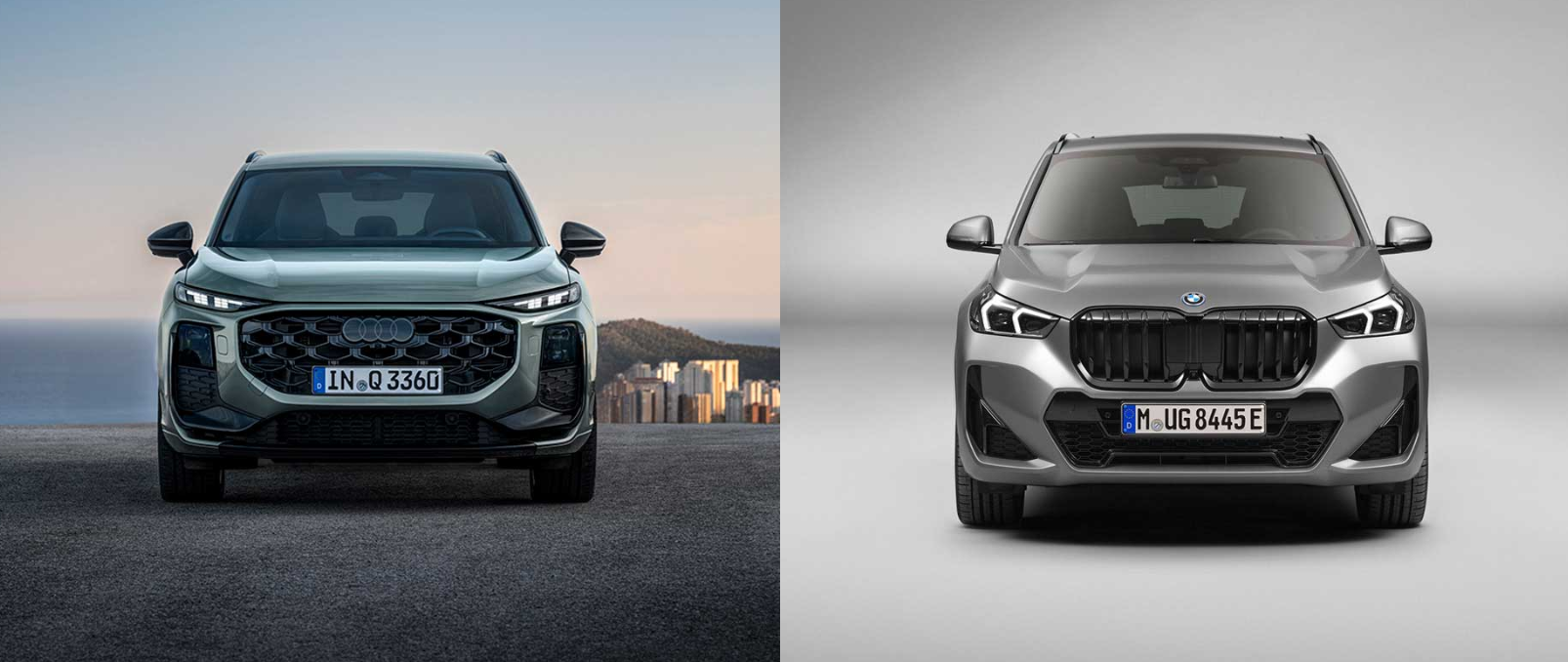
Drivers researching the Audi Q3 Dallas market are often comparing it directly to the BMW X1. Both compact luxury SUVs promise agility, technology, and premium refinement in a city-friendly footprint. However, when you look closely at engineering, interior design, drivetrain confidence, and long-term ownership appeal, clear differences begin to emerge.
At Audi Dallas, we regularly help North Texas drivers evaluate how the Q3 fits into daily commuting, weekend travel, and evolving technology expectations. The Audi Q3 blends refined design with practical capability, while offering a distinct approach to comfort and performance that appeals to drivers who want balanced versatility without sacrificing sophistication.
Below is a detailed breakdown of how the Audi Q3 compares to the BMW X1 across performance, interior quality, technology, and overall driving character.
Performance and Powertrain Comparison
When evaluating the Audi Q3 against competitors, performance specifications tell an important story.
The 2026 Audi Q3 is powered by a 2.0-liter turbocharged four-cylinder engine producing 228 horsepower and 251 lb-ft of torque. It comes paired with an eight-speed Tiptronic automatic transmission and standard quattro® all-wheel drive.
By comparison, the 2026 BMW X1 features a 2.0-liter turbocharged engine generating 241 horsepower and 295 lb-ft of torque, paired with a seven-speed dual-clutch automatic transmission. Front-wheel drive is standard, with all-wheel drive available.
Key performance differences include:
— Standard quattro® all-wheel drive on the Audi Q3
— Traditional automatic transmission in the Q3 for smoother low-speed drivability
— Slight horsepower advantage for the X1
— Confident traction engineering integrated into Audi’s platform
In real-world Dallas driving, the Q3’s standard all-wheel drive provides consistent grip during rainstorms and highway merging. The BMW X1’s higher torque output gives it brisk acceleration, but the Q3 delivers composed, predictable power that feels refined rather than aggressive.
For many drivers, the Audi’s balance of performance and control creates a more comfortable daily driving experience.
Interior Design and Technology
Inside the cabin, Audi and BMW take noticeably different approaches to luxury.
The Audi Q3 emphasizes horizontal design lines, intuitive control placement, and a driver-focused cockpit. Standard features include:
— 10.25-inch Audi virtual cockpit digital instrument cluster
— 8.8-inch touchscreen infotainment display
— Apple CarPlay and Android Auto integration
— Leather seating surfaces in higher trims
BMW’s X1 introduces a curved display combining a 10.25-inch digital cluster with a 10.7-inch infotainment screen. While visually striking, much of its functionality relies heavily on touchscreen inputs and minimal physical controls.
The Q3 maintains a balance between digital interfaces and tactile usability. Climate controls and frequently used settings remain accessible without navigating multiple menus, which many drivers find safer and more convenient during commuting.
Passenger space is comparable, though the BMW X1 offers slightly more rear legroom. Cargo capacity is competitive between both models, with flexible rear seat configurations in each.
However, many drivers find Audi’s interior materials and understated luxury aesthetic more cohesive and timeless.
Ride Quality and Driving Experience
Beyond raw specifications, ride character often determines which vehicle feels more aligned with your expectations.
Audi engineers tune the Q3 suspension for comfort and composure. Steering is precise without feeling overly heavy, and cabin insulation minimizes road noise effectively.
BMW’s X1 delivers sport-oriented steering and firmer suspension tuning. While engaging, it may transmit more road imperfections into the cabin.
Audi Q3 highlights include:
— Smooth ride over uneven pavement
— Quiet cabin insulation at highway speeds
— Predictable braking and throttle response
— Confident handling supported by quattro®
For drivers navigating Dallas highways, stop-and-go traffic, and long suburban stretches, the Audi Q3 offers a relaxed yet responsive feel that balances control with everyday comfort.
Safety and Driver Assistance Technology
Safety is a central consideration in this segment.
The Audi Q3 includes standard driver assistance systems such as:
— Audi pre sense® front
— Lane departure warning— Automatic emergency braking
— Rear cross-traffic assist
BMW’s X1 includes similar forward collision warning and lane departure systems, with optional upgrades for more advanced assistance features.